


The Dangers of Working at Heights: Lessons from a Flat Roof Fall
Posted on
Working at heights can be a thrilling job, but it comes with inherent risks that can lead to catastrophic consequences. A recent incident involving a fall from a roof serves as a stark reminder of these dangers.
Falls from roofs are not just accidents—they’re preventable tragedies that highlight the critical need for safety measures in construction work. It’s essential to recognize how crucial proper protocols are in safeguarding workers who operate at height.
A Recent Incident Where an Employee Fell from a Roof
An employee sustained severe injuries when he fell from a flat roof without any edge protection. As a result, a sole trader, Gary Smith of GJ Smith Roofing, was prosecuted by the Health and Safety Executive (HSE) and fined. This is not the first time that HSE has taken action against Smith for failing to provide adequate edge protection on a job.
Smith admitted to being responsible for the event on 15 December 2022, where a group of roofers and workers were carrying out the task of replacing a flat roof in the Luton region on his behalf.
Around 11am, a worker was transporting heavy wooden boards on the roof when he accidentally fell off, dropping about 10 feet (3.05 m). As a result, he sustained a fractured vertebrate in his back and a broken ankle.
According to the HSE investigation, there was a lack of proper risk assessment and planning for the task, resulting in the absence of edge protection on the flat roof. Despite being reasonably possible to do so, it had not been put in place. However, after intervention from HSE, the necessary edge protection was installed before work could resume.
Mr. Gary Smith, residing on Watling Street in Dunstable, admitted to violating Regulation 4(1) of the Work At Height Regulations 2005. As a result, he was charged with a fine of £2,125 and instructed to cover costs amounting to £5,445 during his court appearance at Luton & South Bedfordshire Magistrates’ Court on July 29th, 2025.
In his remarks following the hearing, HSE inspector Tim Nicholson pointed out that Mr Smith had not taken heed of his previous mistakes:
“Sadly, this latest offence resulted in a man being seriously injured. What makes this incident even more frustrating is the fact it could so easily have been avoided by properly planning the task and ensuring that suitable edge protection had been put in place prior to work starting.”
Height-related hazards continues to be a primary contributor to workplace personal injury and fatalities, and the HSE offers comprehensive recommendations for maintaining safe practices in these situations.
Lessons Learned from the Fall Off Roof Accident
This fall from a roof highlights the critical importance of providing workers with the tools and knowledge to recognise dangers where their employers fail to — in this case, repeatedly. It was clear that Mr Smith lacked the ability to properly risk assess and install the necessary edge guards, even with an existing enforcement action against him for just that.
Irrespective of whether this was a short-sighted cost saving measure, or an inability to learn health and safety laws, workers trained in H&S practices would have been able to see the risks and protect themselves from negligent employers.
Still, it is not the responsibility of employees to install safety equipment and train themselves on safe working from height practices. With one of the most prominent risks being an unprotected edge — a pretty obvious hazard for a company with “Roofing” in its name — these were absolutely, and legally, required safety measures. Without guardrails or barriers, workers are exposed to falls from elevated surfaces. In this instance, the employee, who suffered from a broken spine — a potentially life-long injury that could cripple them — has every right to seek compensation. An award that would likely be high in value.
A simple guardrail could have made all the difference in preventing a serious injury that could have quite easily proven fatal.
Employers Need to Undertake Proper Safety Measures when Working at Height
Employers play a crucial role in — or are at least supposed to — ensuring the safety of their workers. Working at heights presents unique challenges that demand strict adherence to safety measures enshrined in UK H&S laws. The stakes are high, and the potential for accidents is significant. Employers must prioritize creating a culture where safety is valued.
This begins with proper training. Employees need clear instructions on how to work safely at heights. Training workers on how to use equipment correctly enhances their awareness of risks. It also empowers them to take proactive steps in ensuring their own safety and that of others. Regular workshops and refresher courses can reinforce this knowledge. Encouraging open communication about safety concerns fosters an environment where employees feel comfortable reporting issues without fear of repercussions. This collaborative approach ultimately leads to a safer workplace for everyone involved in high-risk activities like working on roofs.
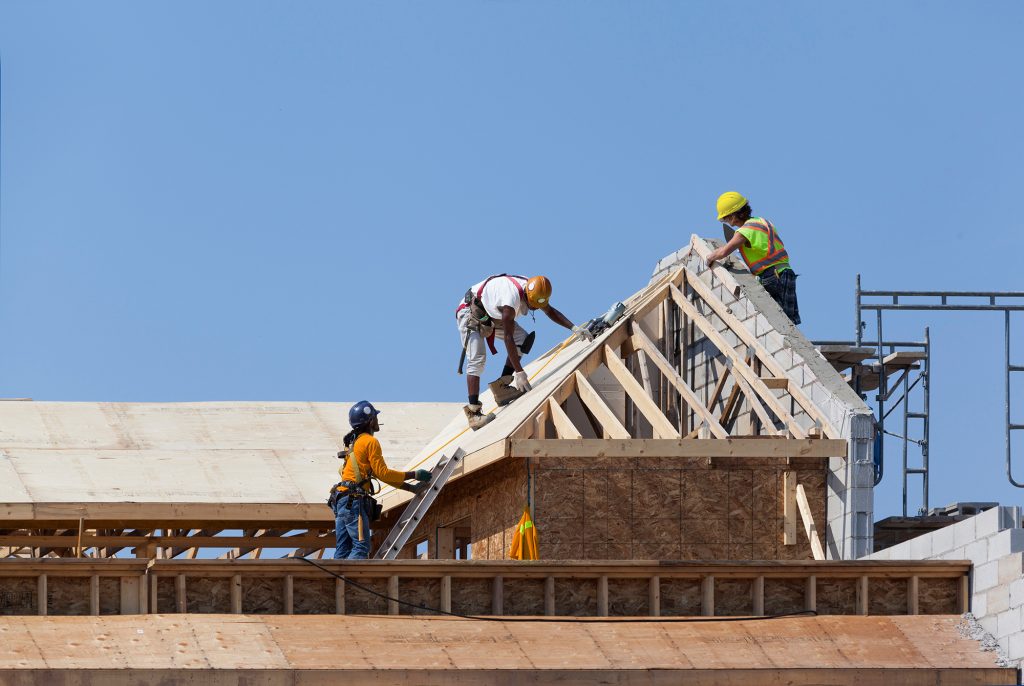
Proper safety protocols can mean the difference between a routine task and a life-altering incident, and providing the right equipment is essential. Safety harnesses, guardrails, and ladders should meet industry standards and be easily accessible. Using personal protective equipment (PPE), such as helmets, creates an essential layer of defence against falls from roofs.
Employers also have the responsibility to conduct regular risk assessments. Identifying potential hazards allows for proactive measures before accidents occur. Conducting regular inspections of tools and work areas helps realise hazards before they become accidents.
Every precaution counts when working at height. Investing time and resources in proper safety measures today can prevent tragic consequences tomorrow.
Tips for Preventing a Fall from a Roof
Preventing falls from heights requires a proactive approach. Always assess the work environment before starting any project. Look for potential hazards and address them.
Use proper safety equipment, including harnesses and guardrails. Ensure that ladders are stable and placed on solid ground. Regularly inspect these tools for wear or damage.
Training is essential. Workers should understand safe practices when working at elevations. Conduct regular safety drills to reinforce this knowledge.
Establish clear communication among team members while working at heights. Use signals or radios to stay in touch, especially in noisy environments.
Encourage a culture of safety where everyone feels empowered to speak up about unsafe conditions. This collective consciousness can significantly reduce risks associated with falls from roofs and other elevated surfaces.
Other Common Hazards Associated with Working at Heights
Aside from guardrails, specifically designed to prevent fall from heights over unguarded edges, there are a number of other common hazards to be on the lookout for when working on a roof.
Unstable surfaces are another major concern of working at height. Slippery roofs, loose materials, or faulty ladders can easily cause workplace accidents. It’s essential to assess the workspace for these dangers before beginning any task.
Weather conditions also play a significant role in safety when working at heights. Wind, rain, and snow can create hazardous situations that impair visibility and increase the likelihood of slips.
Another not too uncommon risk is falling through the roof itself, especially if made from old or fragile roofing material. The roof needs to be properly tested for structural weaknesses before allowing employees to perform their construction duties on the elevated surface.
It’s Safety or Prosecution for Employers — We Can Help You Get Justice & Compensation
The dangers of working at heights cannot be overstated. Each year, countless incidents occur due to falls from roofs. It is essential for both employers to prioritize safety in these environments. Every worker deserves the right to feel secure while performing their job duties.
If your employer has failed in their duty of care to you, and you have had a fall from a roof, our solicitors ** can help you claim compensation on a no win, no fee * basis.
Contact us today on 08082391859^ for a free, no-obligation consultation on your accident. We can help you get justice and further reduce accidents from negligent employers like this one.
« Manchester Workers Exposed to Asbestos Risk by Employer
Scottish Chemical Company Fined £100,000 for Causing Workplace Burns »